Usual Bugs and Treatments: A Comprehensive Guide to Bug Control
Homes often encounter obstacles from usual bugs like cockroaches, rodents, and ants. These problems can interfere with day-to-day live and present health and wellness risks. Early discovery is essential, commonly marked by dead giveaways such as droppings or chomp marks. Understanding efficient therapy options and avoidance techniques can guard homes. This guide checks out these facets and provides insight into when specialist help might be needed. What actions can property owners take to protect their rooms properly?
Determining Usual House Pests
Exactly how can one successfully recognize usual household pests? The initial action includes observing the setting for signs of bug activity. Common family parasites include ants, crawlers, roaches, and rats. Each species exhibits unique features. Ants are frequently seen in trails, while cockroaches prefer dark, wet areas. Spiders can be determined by their webs and distinct physique. Rodents, such as rats and mice, leave droppings and gnaw marks.
In addition, understanding parasite actions is necessary. As an example, some insects are nocturnal, making nighttime inspections important. Experience with their chosen habitats help in recognition; termites, for instance, are typically located near wood resources. Recognizing these traits can facilitate quicker recognition and proper management. A keen eye and knowledge of typical bugs' routines and looks are basic for properly recognizing house intruders.
Properly Indications of Invasion
The presence of parasites in a home frequently reveals itself via different indications of infestation. Home owners might notice droppings, which can vary in shapes and size depending upon the parasite types. Furthermore, gnaw marks on wood or food packaging indicate rodent task, while small holes in wall surfaces or furniture might suggest the presence of insects such as termites. Uncommon noises, like scratching or humming, often signify an infestation concealed within ceilings or walls.
An additional dead giveaway is the presence of webs or nests, which can be discovered in edges or concealed areas. Unusual damages to plants or food items might also direct to pest task. Unpleasant odors can occur from decomposing insects or their waste. Determining these indicators early is vital for effective bug control, as prompt treatment can protect against further damages and minimize health dangers connected with infestations.
Avoidance Approaches
Once indications of invasion are recognized, implementing efficient prevention techniques becomes vital to guarding a home versus future pest issues. Home owners should initially concentrate on preserving tidiness, as food debris and clutter draw in bugs. Routinely sweeping, vacuuming, and correctly keeping food can considerably minimize the chance of problems.
In addition, securing cracks and crevices in wall surfaces, home windows, and doors helps avoid parasites from getting in. Mounting displays on vents and windows provides another barrier versus undesirable trespassers. Appropriate drainage and eliminating standing water remove reproducing grounds for insects.
Landscape design techniques likewise play an essential role; keeping shrubs trimmed and keeping a clear boundary in between greenery and the home can prevent parasites. Finally, educating family participants about these techniques guarantees a collective initiative in avoidance, making it even more challenging for parasites to obtain a footing within the home.
Efficient Therapy Options
Resolving an infestation needs a critical method to ensure efficient therapy options are utilized. Various techniques exist, customized to details insect kinds and the severity of the invasion. Chemical therapies, such as rodenticides and pesticides, are commonly made use of for their prompt influence. Nevertheless, these materials should be applied very carefully, valuing safety guidelines to shield animals and human beings.
Biological controls, consisting of all-natural predators and bloodsuckers, use an eco-friendly choice, decreasing chemical reliance. Pest Control Homestead. Integrated Insect Management (IPM) integrates numerous approaches, stressing avoidance and surveillance alongside therapy, which enhances long-lasting efficiency
Physical obstacles, like traps and exclusion methods, offer non-toxic options for managing insects, particularly bugs and rodents. In instances of serious invasions, expert insect control services may be essential, making use of sophisticated methods and proficiency to eliminate pests successfully. Each treatment alternative ought to be evaluated for its efficiency, security, and ecological impact to assure a balanced method to pest monitoring.
Do It Yourself Insect Control Approaches
In the domain of pest control, DIY approaches can offer efficient alternatives to industrial therapies. All-natural solutions and homemade traps or baits supply environmentally pleasant alternatives for handling parasite issues. These strategies not only lower reliance on chemicals yet likewise encourage people to take control of their living rooms.

Natural Remedies for Parasites
Exactly how can property owners efficiently fight pests without considering severe chemicals? Natural treatments offer a lasting choice for bug monitoring. Necessary oils, such as pepper mint and tea tree, can discourage pests when watered down and splashed around the home. Diatomaceous planet, a great powder made from fossilized algae, can be sprinkled in areas where bugs prevail, triggering dehydration in insects that come right into contact with it. Vinegar remedies act as effective cleaners that additionally ward off ants and crawlers. Furthermore, growing pest-repellent natural herbs like basil and lavender can create an all-natural barrier versus undesirable insects. By using these all-natural approaches, house owners can keep a pest-free environment while reducing their direct exposure to unsafe chemicals.
Homemade Traps and Baits
For property owners looking for added methods to manage parasites without chemicals, homemade traps and baits offer an effective remedy. These DIY techniques use usual household items, making them both affordable and environment-friendly. As an example, a simple fruit fly trap can be produced utilizing a container loaded with apple cider vinegar and covered with cling wrap, pierced with little openings. This brings in and catches the flies, reducing their populace. A blend of borax and sugar offers as a reliable lure for ants, drawing them in while the borax interrupts their gastrointestinal systems. Self-made traps can target various parasites, consisting of rats, bugs, and even bigger animals, providing home owners with a practical choice to business bug control products.
When to Call a Professional
Identifying the right minute to call a specialist for pest control can be difficult. Home owners often try to handle pest concerns separately, but certain scenarios call for professional intervention. It is recommended to look for expert assistance if the infestation is substantial or has actually continued regardless of DIY efforts. In addition, certain pests, such as insects or termites, require specific therapies that are best managed by experienced service technicians.
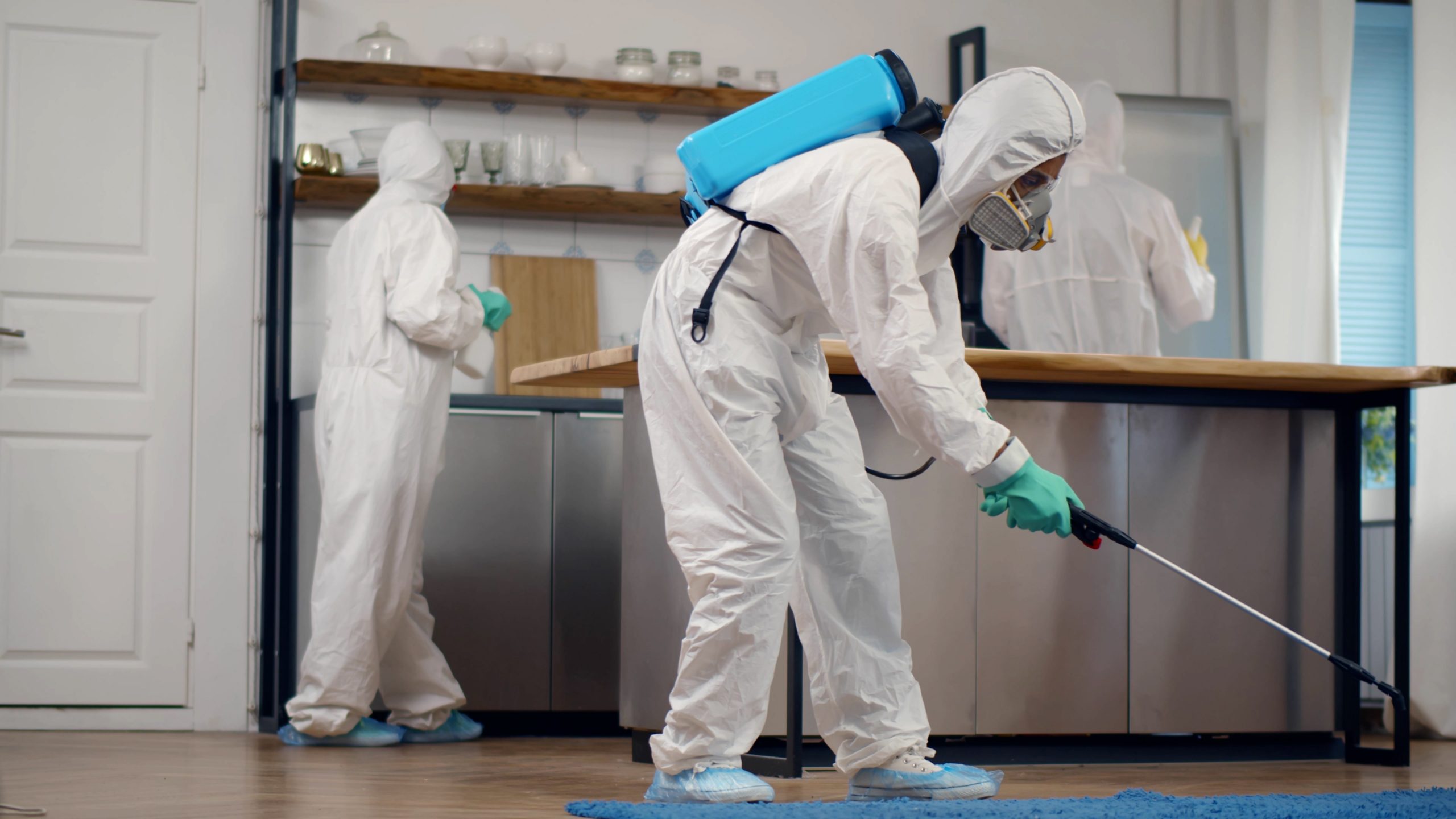
Those lacking the time or expertise to successfully resolve the situation ought to take into consideration enlisting professionals. Identifying these indications can help with effective and timely parasite monitoring, guaranteeing a safe and comfy living setting.
Frequently Asked Questions
How Can I Inform if My Bug Trouble Is Extreme?
To establish if a pest problem is serious, one should observe the regularity of sightings, noticeable damages to home, indications of infestation, and the presence more info of nests or droppings, indicating a bigger, ongoing problem.
Are There Any Kind Of Natural Treatments for Bug Control?
All-natural remedies for insect control consist of making use of vital oils, diatomaceous planet, vinegar, and soapy water - Pest Control Homestead. These options can prevent or get rid of insects without damaging chemicals, interesting those looking for eco-friendly alternatives for handling problems
Exactly how Do I Safely Take Care Of Dead Vermin?
To safely take care of dead insects, one should wear handwear covers, put the body in a secured bag, and discard it in the garbage. Some may pick to hide it at a risk-free distance from living locations.
Can Pests Affect My Pets' Wellness?
Yes, bugs can negatively influence family pets' health. Problems might lead to conditions, parasites, and allergic reactions, possibly creating pain or major disease. Pest Control Homestead. Normal preventative steps and vet check-ups are crucial for keeping pets' health versus parasites
What Is the Cost of Specialist Pest Control Provider?
Expert pest control services typically vary from $100 to $300 per visit, depending upon variables like the sort of bug, severity of invasion, and location. Continuous upkeep strategies may incur added prices in time.
The presence of pests in a home commonly exposes itself via various signs of invasion. As soon as indicators of infestation are determined, implementing effective prevention methods becomes important to securing a home versus future parasite troubles. Different approaches exist, customized to details pest types and the severity of the infestation. In cases of severe problems, professional pest control services might be necessary, utilizing advanced techniques and know-how to remove bugs successfully. Professional parasite control solutions commonly vary from $100 to $300 per browse through, depending on variables like the kind of parasite, intensity of problem, and area.